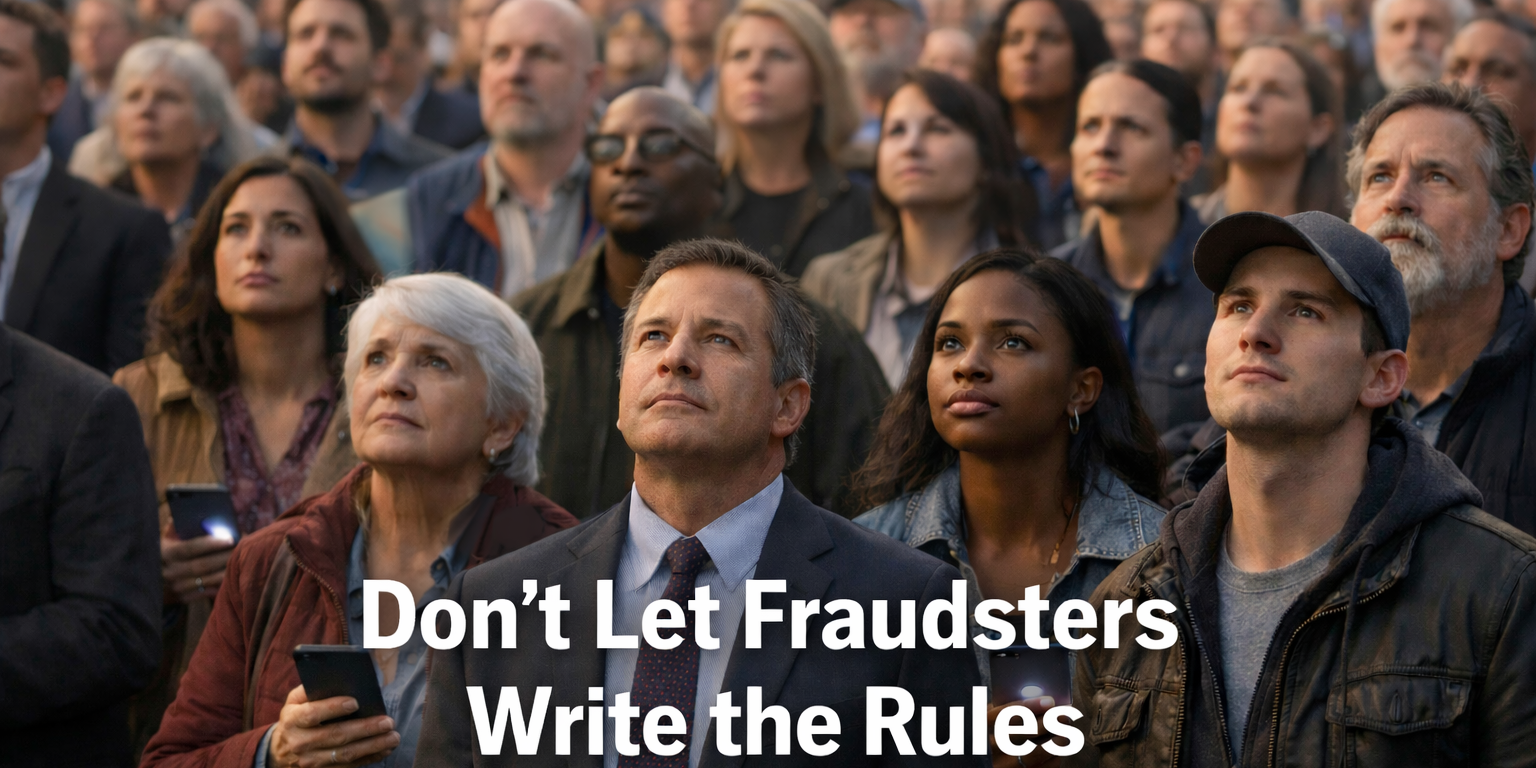
Today, Artemis II returns to Earth.
A historic moment. Years of work. Real astronauts. Real science.
But last night — before any of it happened — fake AI-generated images and video of the landing were already circulating online. Manufactured. Staged. Designed to look real.
Not art. Not satire. Not opinion.
A deliberate attempt to get ahead of the story, capture attention, and profit from a moment that hadn’t happened yet.
And it worked. People shared it. Some believed it.
This is the problem.
This Isn’t New — It’s a Pattern

The Artemis images weren’t a one-off.
This is a playbook. And it’s being run constantly.
An election is close — fake images of a candidate surface hours before polls open. A natural disaster strikes — fabricated footage floods social media before journalists arrive. A celebrity dies — AI-generated “final moments” are already going viral before the family is notified.
The script is always the same.
Anticipate the story. Generate the content. Post before the truth can catch up.
Because here’s the dirty secret — the truth never fully catches up. The correction gets a fraction of the views. The damage is already done.
AI didn’t invent misinformation. But it handed a nuclear weapon to people who were already playing with matches.
The speed. The realism. The scale. What used to take a team of skilled editors now takes one person and thirty seconds.
That’s the pattern. And it’s accelerating.
Why This Should Terrify Anyone Who Loves AI
Here’s what keeps me up at night.
It’s not the fake images. It’s what comes after them.
Every piece of AI-generated fraud hands ammunition to the people who want to shut AI down. Not slow it down. Shut it down. And they’re not waiting for an invitation.
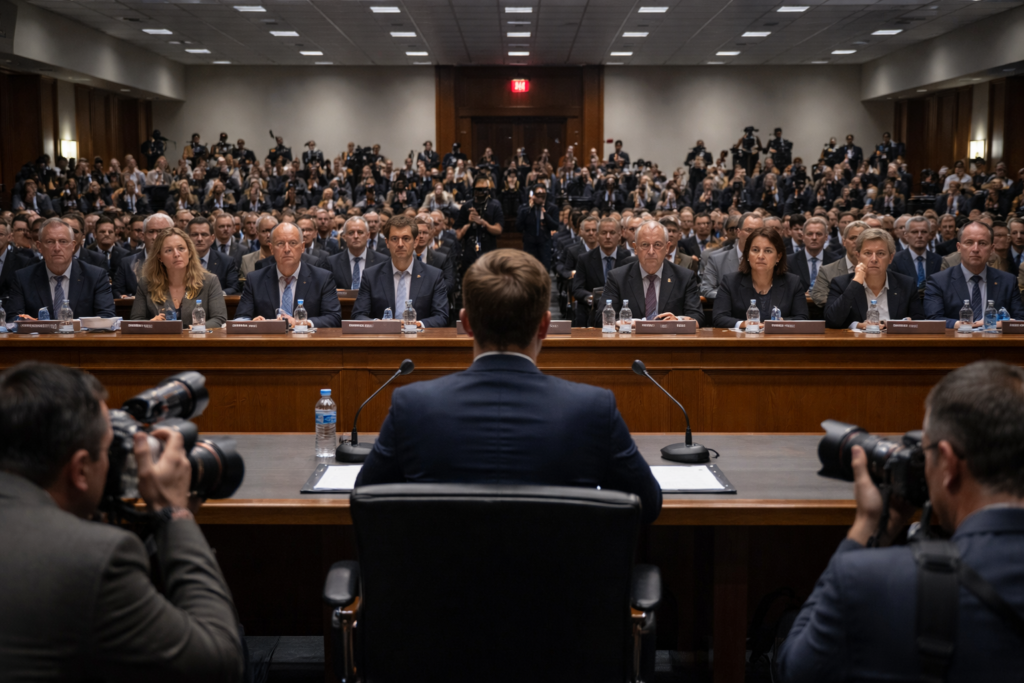
We’ve seen this story before.
Social media moved fast and broke things — and spent a decade testifying before Congress, paying billions in fines, and operating under a cloud of public distrust it still hasn’t shaken. Crypto promised to change finance — early fraud and chaos gave regulators all the cover they needed to clamp down hard.
AI is next in line. And the window is open right now.
Bad actors know this. Whether they care or not is a different question. But every viral fake, every manufactured moment, every AI-generated lie that spreads — it builds the case against the technology itself.
Not against the fraudster. Against AI.
That’s the trap. And we’re walking into it with our eyes open.
Legislators don’t move with precision. They move with pressure. Give them enough pressure and you get sweeping, blunt, poorly-written regulation that punishes everyone — developers, businesses, creators — to stop a behavior that a smarter, narrower solution could have handled.
We are in the window where the rules get written.
What happens in the next few years will shape AI policy for decades.
That should terrify anyone who believes in what this technology can do.
So Should We Ban AI Users? Here’s the Real Answer
No. And yes. But let’s be precise.
Banning AI use? Wrong answer. Completely wrong answer.
AI-generated content is already everywhere — in newsrooms, marketing departments, creative studios, and small businesses trying to compete in a world that’s moving faster than ever. That’s not the problem. That’s progress.

The problem has never been the tool.
It’s the intent behind it.
There is a clear, bright line here — and we shouldn’t be afraid to draw it.
AI used to inform, create, or communicate? Welcome. AI used to deceive, manufacture, and defraud? Zero tolerance.
That’s it. That’s the whole argument.
Using AI to write an article about a real event? Great. Using AI to enhance a photo for impact? Fine. Using AI to generate fake footage of an event that hasn’t happened — and presenting it as real? That’s fraud. Full stop.
We don’t ban cars because people speed. We don’t ban knives because people fight. We hold people accountable for what they choose to do.
AI is no different.
The goal isn’t to police the technology. It’s to protect the truth.
And right now, the truth needs protecting.
A Practical Framework — How Platforms Could Actually Do This
Okay. So how do we actually draw that line?
Here’s a model that could work — without turning platforms into speech police.
Step 1: Community Flagging
The Community Notes system — already used on X — proves that crowds can fact-check at scale. Not perfectly. But well enough to be a first filter.
Let readers flag content they believe was deliberately manufactured to deceive. That flag triggers a review. Nothing is removed yet. No one is punished yet. The system just raises a hand.

Step 2: Human Review
This is non-negotiable. Algorithms alone cannot make this call.
A real person looks at the flagged content and asks one question: was this user objectively trying to mislead? Not — did they use AI? Not — is this uncomfortable or controversial? Just — was the intent to deceive?
That distinction matters enormously.
Step 3: Tiered Consequences
Gray area? Walked the line? A warning. Documented. On record.
Clear, objective fraud? Immediate ban. No appeal tour. No second chance to manufacture another fake moon landing.
This isn’t complicated. We tier consequences for everything else. Speeding ticket before license suspension. This is the same logic.
What This System Must Protect
Satire. Opinion. Creative expression. Speculation clearly labeled as speculation.
None of that is fraud. All of that is worth defending.
The target is narrow and it needs to stay narrow — deliberate deception, presented as real, designed to mislead.
Nothing more. Nothing less.
The Free Speech Problem — And Why It Matters Most
Let’s be honest about something.
Every enforcement system ever built has been abused. Every single one.
Give a platform the power to ban accounts for “deception” and that power will eventually be used against someone it shouldn’t be. A satirist. A whistleblower. A critic posting something uncomfortable that someone in power doesn’t like.

That’s not paranoia. That’s history.
And here’s the hard truth — a bad enforcement system is worse than no enforcement system at all. Censorship dressed up as safety is still censorship. And it does more damage to public trust than any fake AI image ever could.
So we have to say this clearly and mean it:
The goal is never to silence a point of view.
Not a fringe one. Not an unpopular one. Not one that makes us uncomfortable.
The only target is deliberate, objective, provable deception — content designed to make people believe something false is real. That’s it. The moment the system drifts beyond that, it becomes the problem.
This is why human review matters. Why the standard has to be objective. Why “I don’t like this” can never be enough.
The free speech argument isn’t an obstacle to this conversation. It’s the most important part of it.
If we build something that protects truth but tramples expression — we’ve lost more than we’ve gained.
Get this wrong and we deserve every criticism that follows.
What We Can Do Right Now — As Readers
Don’t wait for platforms to figure this out.
Seriously. Don’t wait.
Platform policy moves slowly. Legislation moves slower. And every day that fake content goes unchallenged, the behavior gets more normalized, more rewarded, and harder to reverse.

But readers? Readers can act right now.
See AI-generated fraud? Flag it. Every platform has a reporting mechanism. Use it. It takes ten seconds and it creates a paper trail that matters.
Comment on it. Call it out clearly and factually. Not with rage — with precision. “This footage is AI-generated and the event had not yet occurred when this was posted.” That comment follows the post everywhere it spreads.
Dislike it. Don’t share it. Engagement is oxygen. Fake content survives because people interact with it — even in outrage. Starve it.
Unsubscribe. Unfollow. This one is quiet but it’s powerful. Accounts that do this should lose audiences. Make that happen. Don’t stick around out of habit or curiosity.
The algorithm learns what we reward. If we stop rewarding fraud, the algorithm stops surfacing it.
We talk a lot about what platforms should do. What governments should do. What tech companies should do.
But the fastest, cleanest, most immediate enforcement mechanism in existence is a reader who simply refuses to play along.
That’s us. All of us.
Ready to See What AI Looks Like for Your Business?
At Intellic Labs, we don’t believe in generic demos or one-size-fits-all AI solutions. The same way this article asked you to meet your employees where they are, we meet your business where it is — inside your actual workflows, your real tools, and the specific friction points that are costing you time and revenue right now.

That’s why we created something a little different.
We’ll build you a free, custom AI walkthrough video — made specifically for your business.
Not a slide deck. Not a product overview. A short video built around your systems, your team, and your goals — so you can see exactly where AI can reduce friction, drive revenue, and create a better experience for both your customers and your people.
In your custom video, you’ll see:
✅ Where AI plugs into your existing stack — CRM, support, email, docs, and operations tools
✅ Which workflows can be fully automated end-to-end, not just “assisted”
✅ How we measure real ROI — cycle time, cost-to-serve, conversion, and resolution speed
✅ How we avoid the vendor lock-in and static platforms that leave most businesses stuck
No sales pressure. No buzzwords. No generic AI overview that could apply to any company on the planet. Just an honest look at what’s actually possible inside your operation — before you spend a dollar or a month in pilot purgatory.
We produce seven of these each week. Spots move quickly.
👉 Claim your free custom AI walkthrough video
Your team has more potential than any tool can unlock on its own. Let Intellic Labs help you show them what’s possible.